CREATOR ECONOMY · 2020–2021 · DHAKA, BANGLADESH
Rongbuzz
Building Bangladesh's influencer marketplace before the market was ready — and the product lessons it left behind.
Add: Marketing site screenshot, product hero, or team photo
/images/rongbuzz/product-1.jpg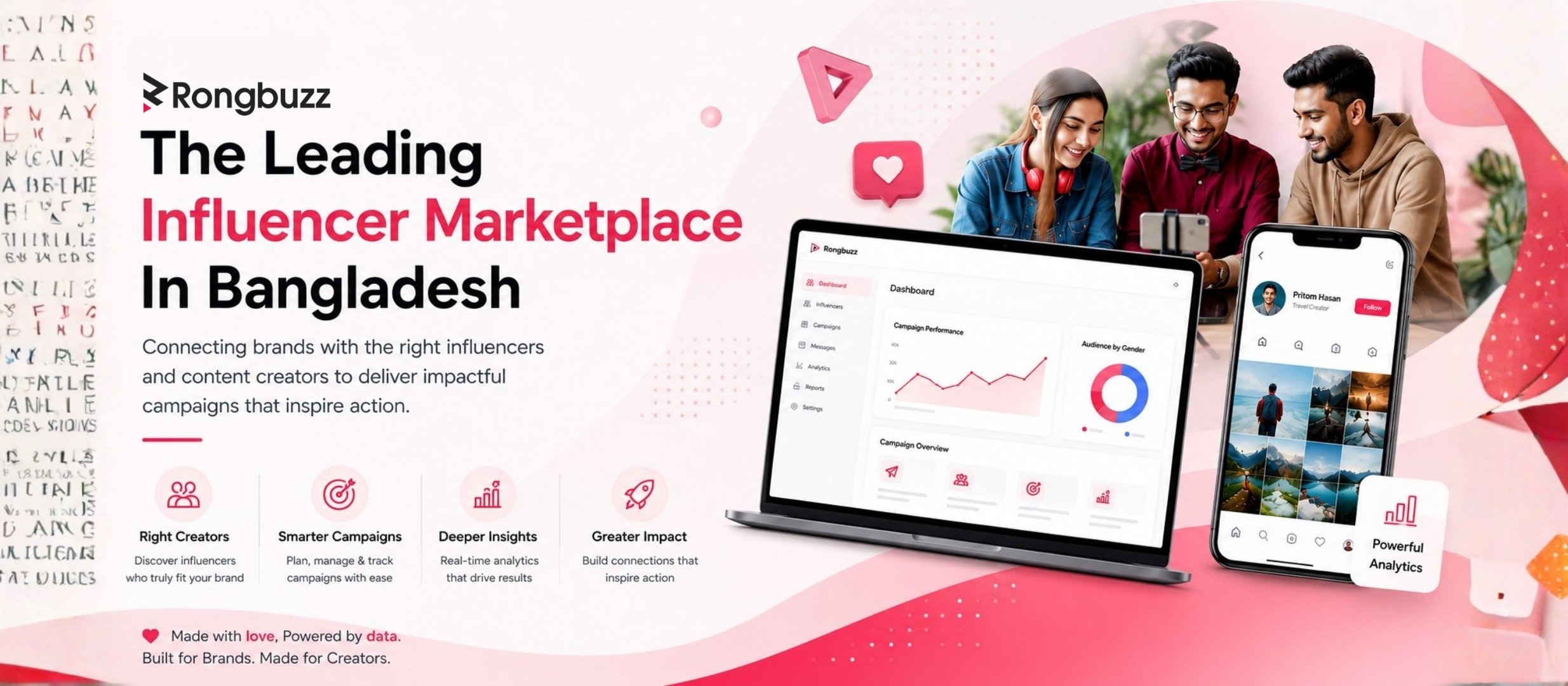
EXECUTIVE SUMMARY
“Being early and being wrong feel identical for a long time before they diverge. Rongbuzz lived in that gap.”
In 2020, three of us — young, holding down full-time jobs in Dhaka, and friends who wanted to build something exciting — looked at how brands and content creators found each other in Bangladesh and saw an entire market running on guesswork. Deals were brokered in Facebook DMs, prices were set by instinct, and no one could tell a small business whether the influencer they just paid had actually moved anything.
We built Rongbuzz to fix that: a two-sided marketplace connecting brands and small businesses with verified influencers, end-to-end campaign management, and — the part we were proudest of — analytics to measure whether it all worked. We shipped. It went live. And we were roughly two years early.
The Challenge
Three connected gaps in Bangladesh's creator economy.
Communication Gap
No neutral channel. Deals closed in DMs. The same 20 faces won every campaign.
Affordability Gap
Mid and micro-creators were invisible. Small businesses could only afford the top tier.
Measurement Gap
Brands paid, posts went up, the loop ended. No performance data, no benchmarks.
Our thesis: Bangladesh's creator economy was about to professionalise, and the winner would be whoever built the trusted transaction-and-measurement layer first. We sized the opportunity at $215M locally, drawing on Statista and The Daily Star. The direction was right. The timeline was wrong.
“A correct thesis on the wrong timeline behaves exactly like a wrong one — right up until the moment it doesn't.”
THE NAME
Why “Rongbuzz”?
The name came from a Bangla term for a thug — the swaggering figure who commands the street. We meant it as a compliment. Influencers are the thugs of the internet: the ones who command attention and rule the feed. The tagline was “Be the #rongbuzz of the internet.”
Our influencer directory was called the “Rongbuzz Tong” — giving the platform a local, self-assured voice that a sanitised, imported name never could have matched. Before reading a single line of copy, a Bangladeshi user understood this was built by people who knew the culture.
What We Built
A confident, coherent brand. A genuinely two-sided architecture.
Add: Brand dashboard or campaign management screenshot
/images/rongbuzz/product-2.jpg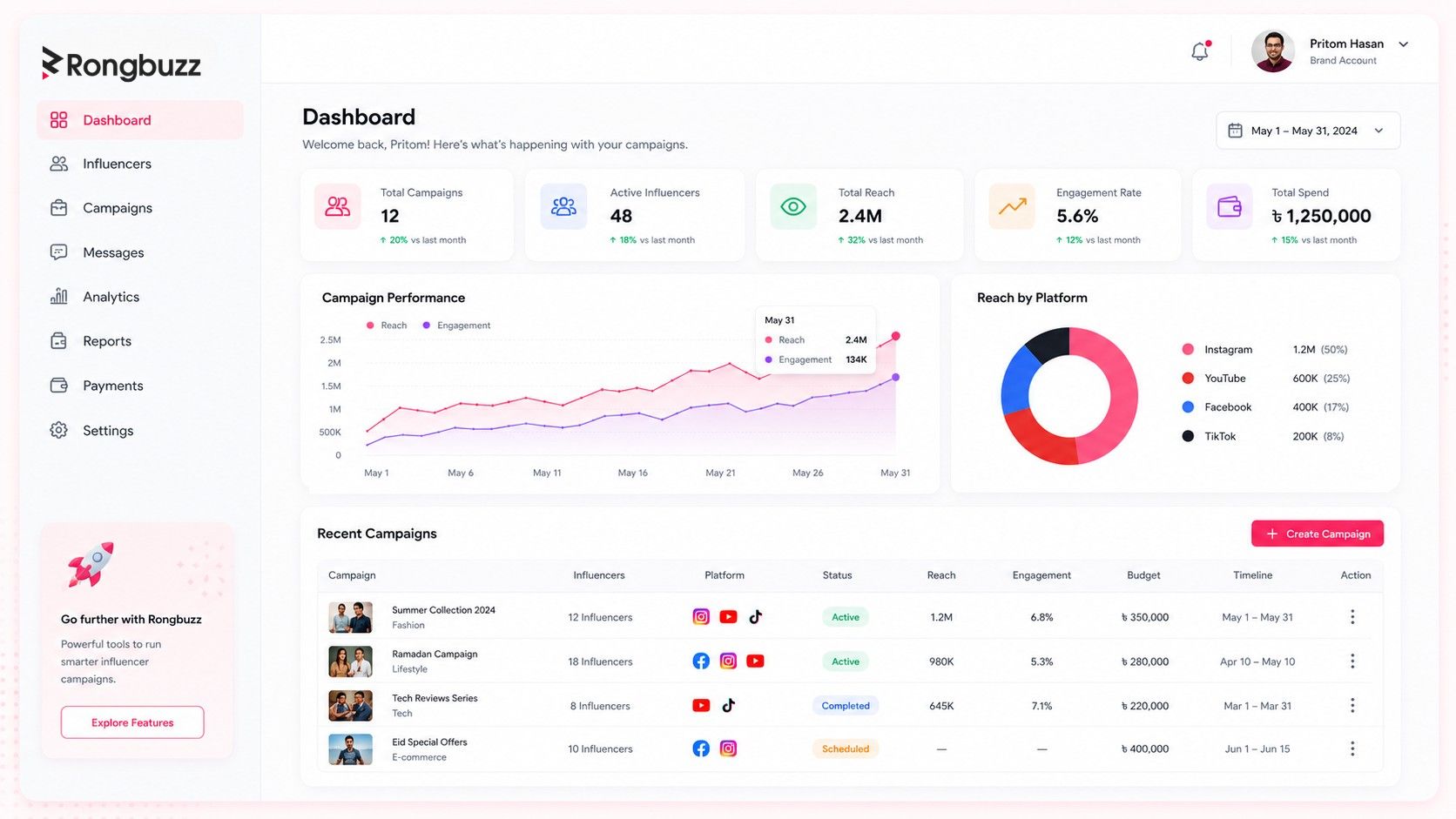
TWO-SIDED ARCHITECTURE
Brand
Heavy onboarding · Trust-first
Campaigns
RONGBUZZ
Opportunities
Creator
Light onboarding · Volume-first
Brand
Heavy onboarding
Trust-first
Campaigns
RONGBUZZ
Opportunities
Creator
Light onboarding
Volume-first
Asymmetric friction — the right call. Brands needed trust, creators needed speed.
We positioned as “The Leading Influencer Marketplace in Bangladesh” — a clean red-and-white system across the marketing site, two onboarding flows, authentication, a campaign dashboard, an influencer feed, a searchable directory, and analytics. Scoped for both web and mobile.
The smartest decision we made was asymmetric onboarding: creators got a light signup (volume matters on supply), brands got a heavier qualifying flow (trust matters on demand). That friction-tuning instinct — asking what each side needs before designing for both — is something I still reach for today.
Add: Team celebrating beta launch photo
/images/rongbuzz/team.jpg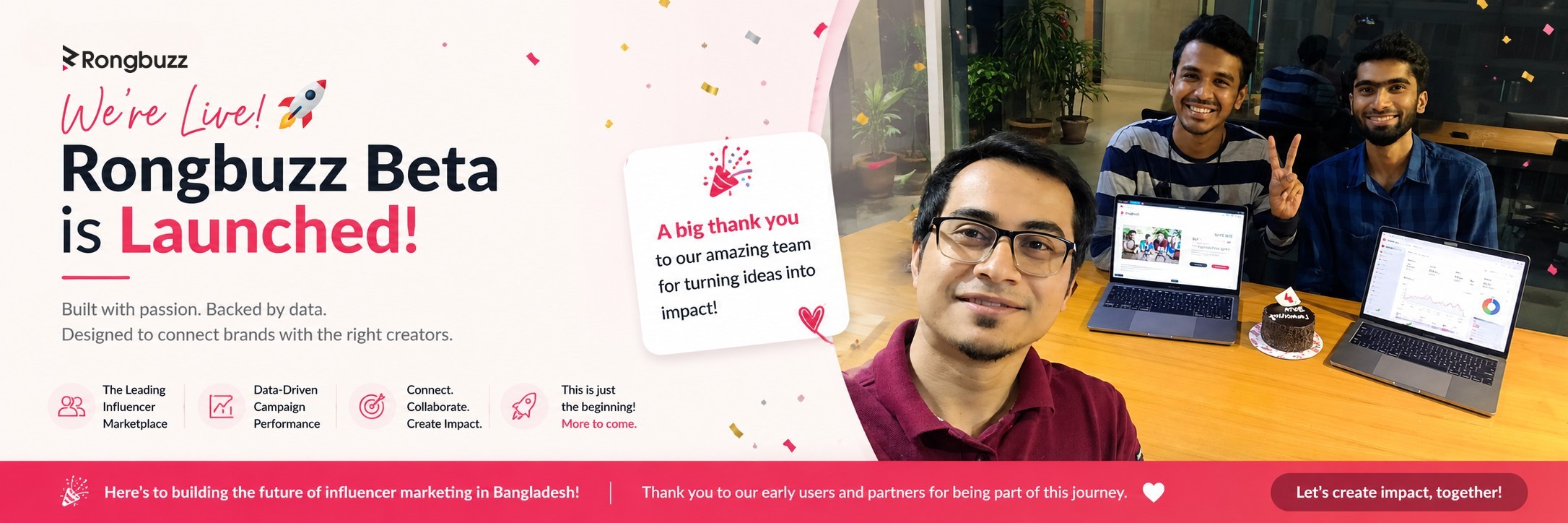
The Post-Mortem
Two failures compounded each other. They looked separate. They were the same mistake wearing two hats.
Scope creep — built a platform before validating a transaction
The cardinal error: confusing MVP with Minimum Lovable Platform. For a two-sided marketplace, the only thing worth proving early is liquidity — can you get one brand and one creator to complete one real, paid, satisfying transaction? Everything else is decoration until that loop works. We ran great discovery, but treated everything we found as something we had to build. Good discovery expands options; good PM work then ruthlessly closes most of them. We did the first half well and skipped the second.
GTM neglect — optimised the product, neglected the market
Our own pitch deck planned 40% of the raise on marketing — more than on tech. We knew, intellectually, that distribution was the hard part of a marketplace. Then we poured our energy into building (comfortable) and deferred selling (uncomfortable). Our go-to-market amounted to 'word of mouth,' 'influencer-led,' and 'freemium' — three hopes, not a plan. A direct competitor we had mapped in our own deck kept moving. A better-capitalised entrant eventually stepped into the space we had been circling.
WHAT WE DID
Built 3 products before validating 1.
WHAT WE SHOULD HAVE DONE
Concierge first. Software second.
IN FAIRNESS TO US
We shipped a real, functional product on the side of full-time jobs with no outside funding. We ran rigorous discovery, sized the market honestly, and designed a thoughtful two-sided system that a far better-funded competitor essentially validated by succeeding later. The thesis was sound and the craft was real. What we lacked was sequencing.
Add: Influencer feed, search directory, or analytics screenshot (optional)
/images/rongbuzz/product-3.jpg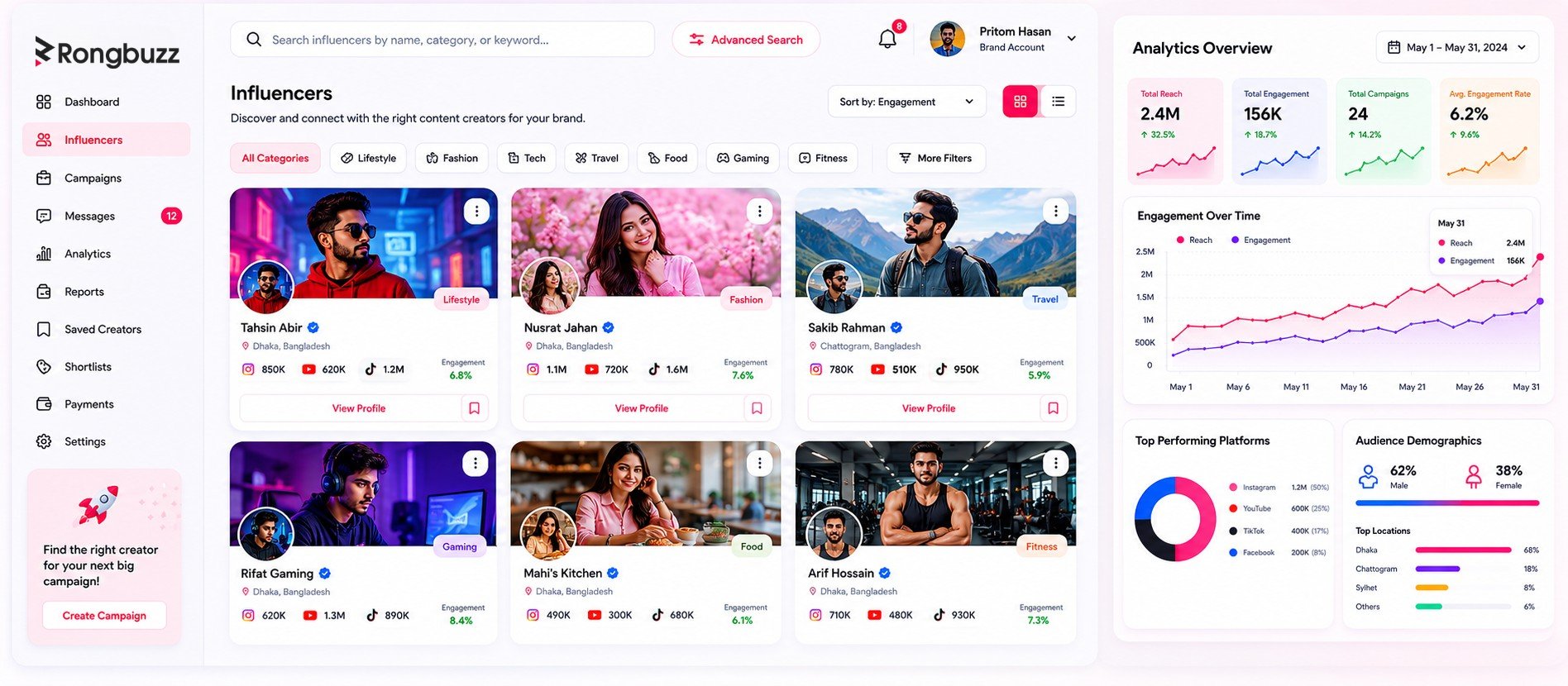
What Rongbuzz Taught Me
Being early is a bet on timing — and timing has to be funded
A correct thesis on the wrong timeline behaves like a wrong thesis until the moment it doesn't. The real question isn't just 'is this where the market is going?' but 'can we survive the wait?'
Scope is a liability until it's validated
Every feature is a promise to your future self to market it, maintain it, and support it. Before the transaction loop is proven, more product is more risk, not more value.
For a marketplace, distribution IS the product
The hard, defensible part of Rongbuzz was never the software — it was solving the cold-start liquidity problem, and that work is sales and operations, not engineering.
Beware the comfortable work
Scope creep and GTM neglect were the same psychological move: retreating into building (loved, known) and away from selling (feared, uncertain). Mature teams notice when 'more building' is procrastination dressed as progress.
Ship to learn, not to impress
We treated launch as a finish line — the moment the product was finally good enough to show. The right frame is launch as the start of learning: the cheapest experiment that returns real signal.
“I don't tell the Rongbuzz story as a tragedy. I tell it as the project that turned three optimistic builders into product people who understand discovery, scoping, sequencing, and timing in their bones — because we learned each lesson the expensive way.”
THE TEAM
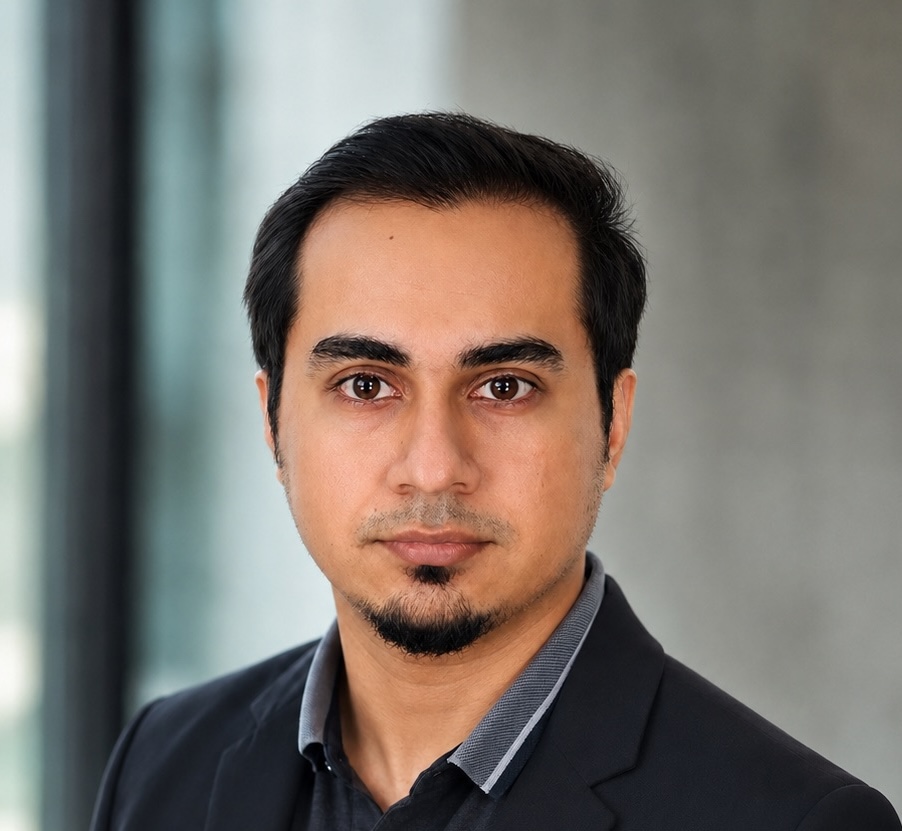
Shahed
Co-founder

Ony
Co-founder
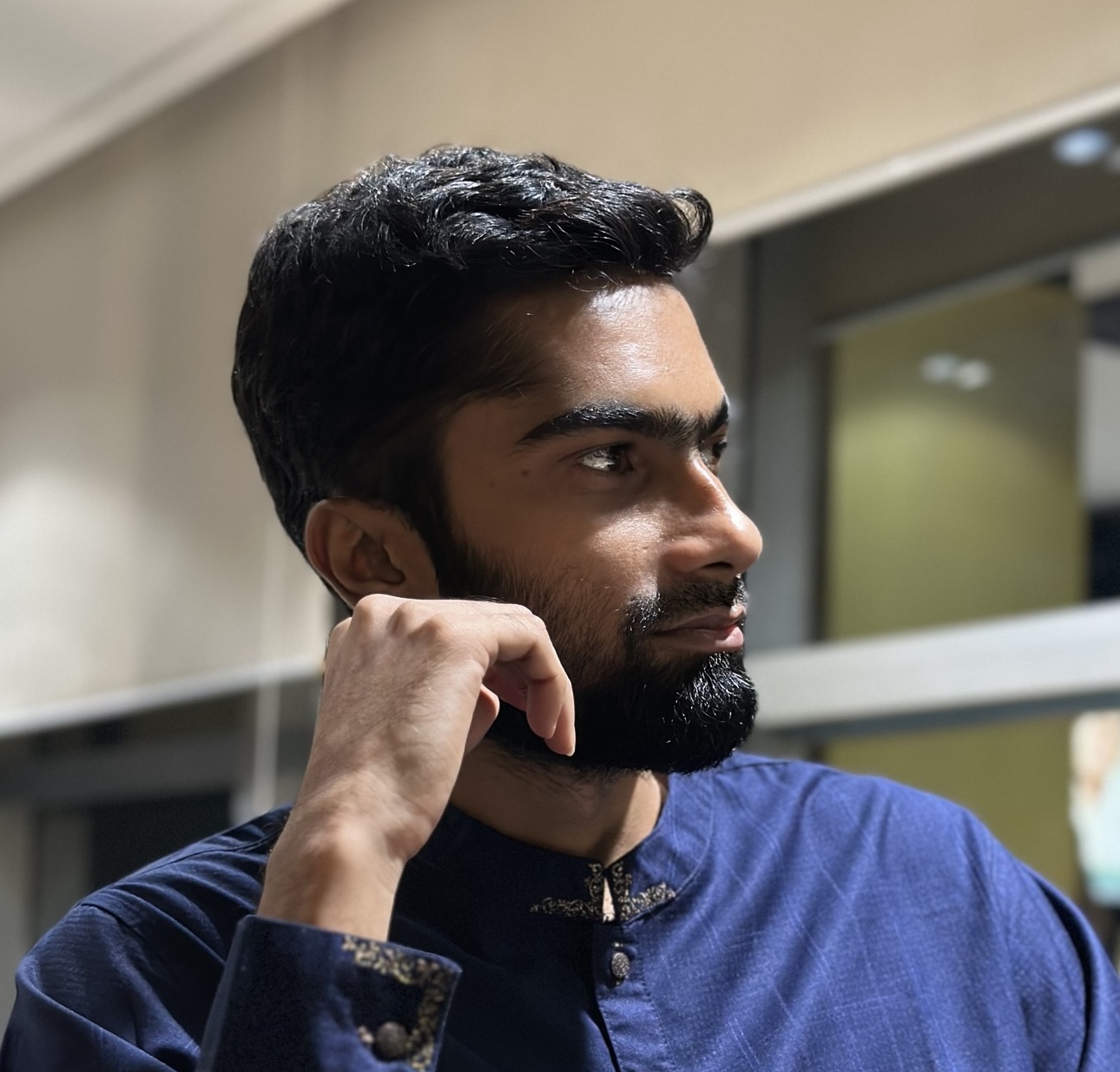
Abid
Co-founder